
Protein for lean, muscular clients
Protein needs can rise during energy restriction, especially as the athlete becomes leaner and the deficit more demanding. Learn to scale the target to context instead of copying one number for everyone.
Sports nutrition has moved on. Lean, muscular clients, appetite-altering medication, gut symptoms and performance pressure create decisions that a macro calculator cannot make for you.
One-time payment: €199. Installments: €79 today, followed by 3 monthly payments of €46. Total: €217. Pay in full to save €18.
Nutrition Coach Update Weekend helps you assess practical fat-loss, recovery, and nutrition decisions. It is an update weekend, not the full Advanced Nutrition course or qualification.
In practice: review the trend, actual food intake, training demands, and recovery before changing the plan. Decide what to monitor so the next step follows the client's response.
Ten years ago, better calculations often meant better practice. Today your client may be very lean, highly muscular, training hard, struggling with gastrointestinal symptoms or using an anti-obesity medication. The numbers can look correct while the coaching decision is wrong.
The goal is not to replace one dogma with another. It is to understand what the evidence changes, where it does not apply and what you should monitor in the client in front of you.
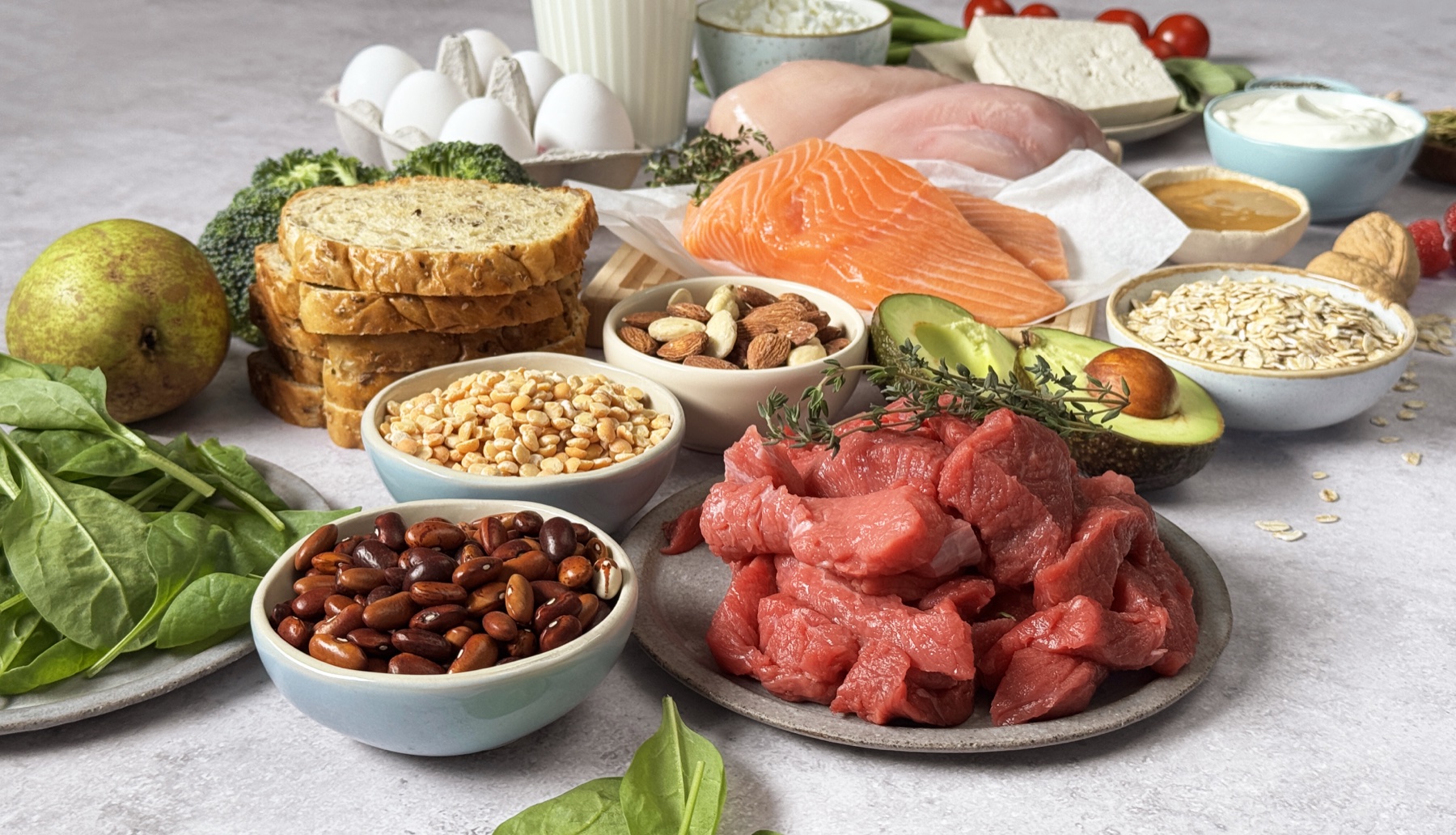


Protein needs can rise during energy restriction, especially as the athlete becomes leaner and the deficit more demanding. Learn to scale the target to context instead of copying one number for everyone.
A large protein serving is not simply wasted after an arbitrary 30–40 g cutoff. Dose, total daily intake, distribution, training and the time window all change the interpretation.
Fat is not only a minimum to protect. Within a fixed energy budget, a higher intake can displace carbohydrate, protein, fibre and nutrient-dense foods. Set a justified range for the goal and training phase.
Move beyond ‘take a probiotic’. Assess symptoms, bowel patterns, food variety, fibre dose and tolerance, training stress and red flags that require a qualified health professional.
Food composition can influence gut-hormone responses, including endogenous GLP-1. Learn what meal structure may support satiety and why this is not a ‘natural Ozempic’.
Reduced appetite can also reduce protein, fluid, fibre and micronutrient intake. Protect food quality, training and function while respecting medical scope.

A coach does not prescribe, stop or adjust medication. You can still recognise when appetite suppression compromises protein, energy, hydration, fibre or micronutrient adequacy; adapt meal size and timing; monitor training and function; and know when to coordinate with the prescribing clinician or a registered dietitian.
This is not a sequence of passive lectures. Each day moves from evidence and physiology to practical decisions, coached case work and feedback.
Live online in English · Helsinki time (EEST, UTC+3)

This weekend is for nutrition, fitness, performance and body-composition coaches who want stronger judgment in complex real-world cases. It is not a beginner qualification or clinical nutrition training and does not qualify you to diagnose or treat disease or eating disorders.
Join the live online weekend and receive the practical coach workbook.
One-time payment: €199. Installments: €79 today, followed by 3 monthly payments of €46. Total: €217. Pay in full to save €18.
The three live teaching days are delivered in English.
No. This is a standalone live update weekend with a practical workbook. It does not include the full course, community, assignments, examination or qualification.
Recordings are not included in the current offer. Plan to attend the live online sessions.
No. The weekend strengthens evidence-informed coaching within your professional role and does not replace medical or dietetic training.
Evidence context: the page describes current coaching implications, not universal rules for every person. Key sources include protein research in lean athletes, large-dose protein metabolism, the IOC RED-S consensus, WHO dietary-fat guidance and the current semaglutide prescribing information. Helms et al. · Trommelen et al. · IOC RED-S 2023 · WHO 2023 · FDA 2026.